

The Psychology of Gambling
Casinos are meticulously designed environments that play on human psychology to enhance the gambling experience and manipulate perceptions of luck. The layout of a casino, with its bright lights, sounds, and lack of clocks, creates a sensory overload that can easily distract players. In addition to this, we also provide insights about a sportsbook offshore that aligns with your betting interests. This immersive atmosphere encourages gamblers to lose track of time and their spending, creating an illusion of luck and winning potential that draws them deeper into the gaming experience.
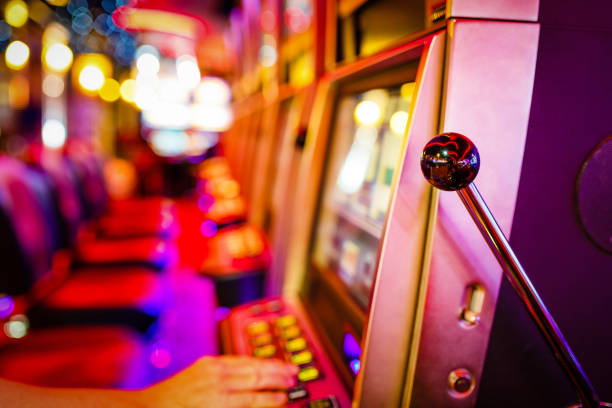
Moreover, casinos employ various psychological tricks, such as near-misses and wins. These instances, where players come close to winning, trigger a dopamine response in the brain, reinforcing the idea that a win is just around the corner. This phenomenon keeps players engaged, fostering an addictive cycle of betting, which contributes to the perception of luck being manipulated in their favor.
The Role of Technology
Advanced technology in casinos plays a crucial role in shaping the player experience and influencing outcomes. Slot machines, for example, utilize random number generators (RNGs) to determine results; however, the way these machines are programmed can create a false sense of control among players. This technology can be tuned to produce more frequent small wins, making players believe they are lucky, even when the odds are against them.
Additionally, casinos often use data analytics to track player behavior, optimizing their environments and offerings to maximize profits. By analyzing patterns in betting behavior, casinos can tailor promotions and gameplay experiences that keep players engaged longer, further manipulating their sense of luck and enjoyment.
The House Edge Explained
The concept of the “house edge” is fundamental in understanding how casinos control outcomes. This mathematical advantage ensures that the casino will always profit over time, regardless of individual player luck. Every game in a casino—from blackjack to roulette—has a built-in house edge that skews the odds in favor of the casino, ensuring the establishment maintains profitability.
While players may experience short-term wins, the long-term statistical advantage always favors the casino. This reality can lead players to misconstrue their luck, believing that their fortunes can change at any moment, which further fuels their belief in luck being influenced by external factors rather than mathematical probabilities.
The Influence of Environment and Ambiance
The physical environment of a casino is engineered to enhance the gambling experience and influence player behavior. Factors such as lighting, sound, and even scent are meticulously crafted to create a welcoming and stimulating atmosphere. The use of ambient music can mask the sounds of losses, giving players a more positive outlook on their experience, thus manipulating their perception of luck.
Moreover, the strategic placement of high-stakes games and alluring displays of winnings can create an environment where players feel fortunate and compelled to try their luck. These sensory elements intertwine, leading players to perceive their experiences as more favorable, even when they are statistically less likely to win.

Exploring Further Opportunities at Our Website
At our website, we delve deeper into the intricate world of gambling, shedding light on the tactics and strategies utilized by casinos to influence player perception and behavior. Our comprehensive articles explore various aspects of gaming, including how casino designs and technologies manipulate the concept of luck, ensuring that gamblers are well-informed.
Whether you are a casual player or a seasoned gambler, our expert insights provide valuable knowledge that can enhance your gaming experience. Join us as we uncover the fascinating dynamics of luck in casinos and empower you with the knowledge to navigate the gaming landscape effectively.


